

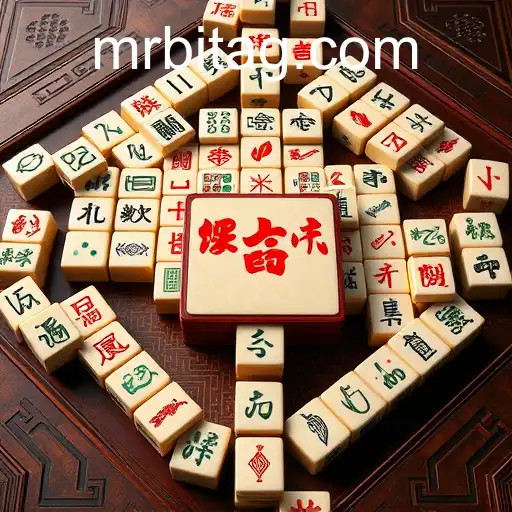
The Fascinating World of Mahjong
Mahjong is a captivating game with deep roots in Chinese history and culture. This strategic game has captured the hearts of many players worldwide, bringing together people from diverse backgrounds to partake in its intricate patterns and rules. Whether played casually among friends or aggressively in tournaments, Mahjong holds a special place in the gaming community.
The Origins of Mahjong
While the exact origins of Mahjong are shrouded in mystery, various theories suggest it evolved during the Qing dynasty in the late 19th century. Traditionally believed to have been invented by Chinese nobility, Mahjong was a pastime thought to have been inspired by both card and domino games. As the years progressed, Mahjong expanded beyond China’s borders, captivating players throughout Asia and eventually the rest of the world.
The Core Components of Mahjong
Fundamentally, a Mahjong set consists of 144 tiles, often made from bone or bamboo. These tiles are divided into suits, each featuring different symbols and characters such as dots, bamboo, and characters itself. Additionally, there are honor tiles, including winds and dragons, that add layers of complexity to the game. A full understanding of these elements is essential for mastery and success in Mahjong.
The gameplay unfolds on a square table, with four players typically participating in a round. The dynamic nature of the game means each hand can vary in strategy, requiring players to adapt and rethink their approaches continually. Each round involves creating sets, known as "melds," which might consist of pongs (three identical tiles), chows (a sequence of tiles), or kongs (four identical tiles), eventually aiming for a complete hand.
Mahjong: A Blend of Skill and Strategy
At the core of Mahjong’s appeal is its unique blend of skill and psychological strategy. Every move in Mahjong necessitates careful consideration; players must manage their tiles intelligently while predicting others' moves. This strategic component makes Mahjong not only thrilling but also an exercise in patience and foresight.
Players must decipher their opponents' intentions based on discarded tiles and acquired sets, a skill that differentiates a seasoned player from a novice. Moreover, Mahjong harmoniously marries mathematics and chance, making it a rich and rewarding experience each time the tiles are shuffled and dealt.
Modern Adaptations of Mahjong
In contemporary times, Mahjong has transcended traditional tables, finding new life in the digital realm. Online platforms and mobile applications now allow enthusiasts worldwide to engage with the game, breaking geographical barriers. Websites like tiger777.bet offer players opportunities to indulge in Mahjong in an innovative and accessible format.
Online Mahjong variants enrich the classic game, introducing distinct rules and variations that keep the gameplay fresh. Players can now enjoy different styles such as Hong Kong Mahjong, Japanese Riichi, or American Mahjong all within a single platform. The adaptability of Mahjong to these modern formats attests to its enduring popularity, meeting the demands of both new generations and seasoned enthusiasts alike.
Global Impact and Cultural Significance
Mahjong’s influence extends beyond mere entertainment; it is a cultural icon that has forged new connections worldwide. For many Chinese communities, especially abroad, Mahjong tables serve as gathering places, reinforcing familial bonds and friendships. Moreover, the game is often associated with auspicious events, believed to bring luck and harmony to those who play.
Events highlighting Mahjong’s cultural significance span continents, with festivals and international competitions drawing large audiences. The global community is a testament to Mahjong’s ability to unite people through shared experiences and mutual appreciation of its intricacies.
The Game as a Metaphor for Life
Beyond its entertainment value, Mahjong is often seen as a metaphor for life. It mirrors human experiences, compelling players to deal with change, adapt strategies, and make decisions with the information available. The game teaches valuable life lessons such as patience, resilience, and the underlining truth that even well-laid plans may go awry, demanding adaptability.
Like any game of chance, victory in Mahjong is not always guaranteed, reflecting the unpredictability of life and the importance of graciously accepting both success and loss. Through playing Mahjong, individuals can learn emotional intelligence and develop sharper analytical skills, which transcend beyond the Mahjong table into real-world applications.
Getting Started with Mahjong
If you’re interested in exploring the world of Mahjong, starting is easier than ever. Many resources are available online, from instructional videos to virtual games on platforms like tiger777.bet. Beginners can learn at their own pace, gradually familiarizing themselves with the rules and strategies that make Mahjong an enjoyable pastime.
For those looking to bring Mahjong to social gatherings, physical sets can be purchased online or in specialty stores, ensuring the game can be enjoyed in its traditional form. Learning to play directly with friends offers not only bonding opportunities but also an engaging and interactive way to delve into the game's depths.
Conclusion
Mahjong is more than just a game; it is an activity that fosters community, sparks strategic thought, and holds cultural weight. Its ability to adapt and endure through changing times speaks volumes about the game's allure. Whether you are a fan of digital games or prefer the tactile experience of tiles clicking together, Mahjong offers a unique experience that seamlessly balances fun, challenge, and tradition.